The five most common sources of a wet basement
Before we recommend any work, we figure out where the water is actually coming from. Treating the wrong source is the fastest way to spend a lot of money and still have a wet basement.
1. Surface water that's not draining away from the foundation
Downspouts dumping water at the foundation. Gutters overflowing. Negative grade (yard sloping toward the house instead of away). This is the cheapest fix and the most commonly missed cause. Sometimes you don't need any waterproofing - you need an extension on a downspout and a wheelbarrow of fill dirt.
2. A leaking foundation crack
Active water seeping through a single crack or small group of cracks in the foundation wall. Polyurethane injection is usually all you need. $400-$900, 1-2 hours of work.
3. Window well drainage failure
Window wells fill with water during heavy rain and the water seeps through the window frame or the surrounding foundation. Often the well drain is clogged or never existed. Window well repair handles this.
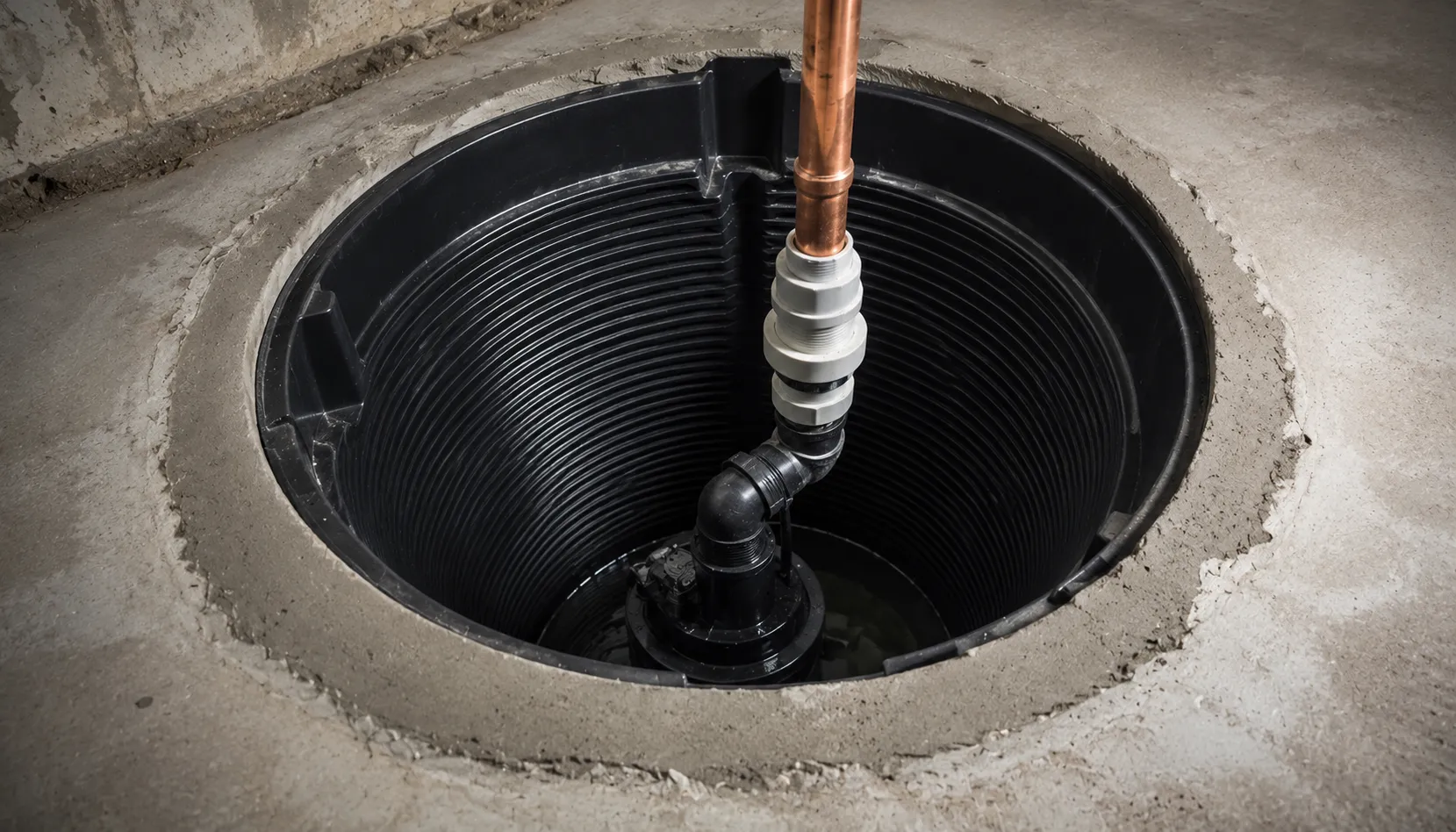
4. Sump pump failure or undersizing
Pump dies, gets unplugged, or just can't keep up with the water volume. The basement floods even though the system existed. Sump pump replacement with a battery backup is the answer here.
5. Failed weeping tile or hydrostatic pressure
Original weeping tile (the perimeter drainage pipe around the foundation) has clogged or collapsed at the 30-50 year mark. Water that should drain away builds up against the foundation and pushes through. Interior waterproofing or exterior waterproofing fixes this.
What to do if your basement is taking water
- Don't touch electricity in standing water. If outlets, extension cords, or the sump pump are submerged, kill power to that part of the house at the panel before doing anything else.
- Move valuables and electronics to higher ground. Furniture, boxes, kids' toys - anything you don't want ruined.
- Find the source if you can. Is water coming from one specific spot? A wall? The floor? A pipe? Photos help with remote diagnosis.
- Use a wet/dry vacuum or bucket for small amounts of water. For large amounts, contain (towels at thresholds) while you call your insurance and a contractor.
- Schedule an inspection. Once the immediate water is contained, book the on-site visit so the source can be properly diagnosed and a permanent fix planned.
The diagnostic visit
We come on-site, walk through the basement with you, look at the outside grading and downspouts, check the sump pump, and identify the actual source. We give you a written estimate before any work happens. If it's a $400 fix, we'll tell you it's a $400 fix. If it's a $12,000 system, we'll explain why and give you the cheaper alternatives so you can decide.
The visit itself is free. The estimate is free. There is no obligation to hire us.